

Sleep Apnea & Heart Disease: What’s the Link?
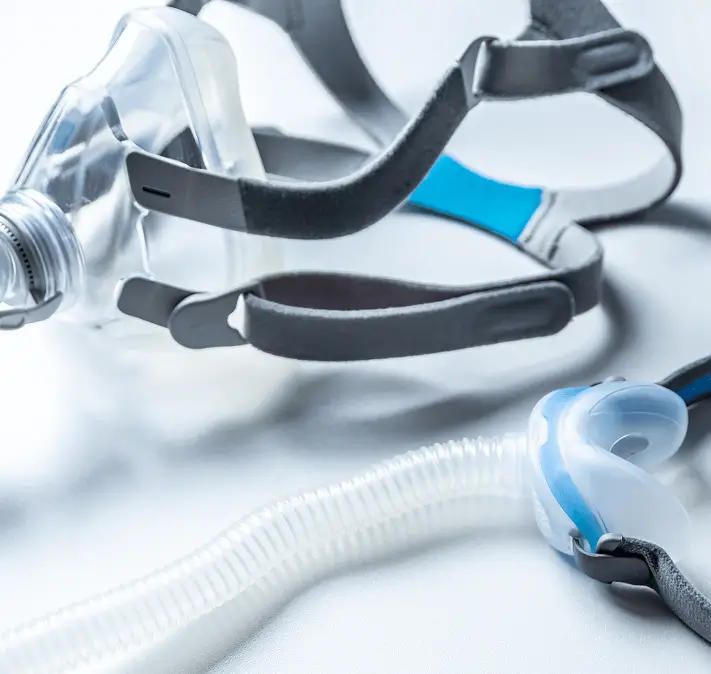
Sleep is essential for overall health, but for some people, it’s not as restful as it should be. One of the most common sleep disorders is obstructive sleep apnea (OSA) – a condition that causes repeated interruptions in breathing during sleep.
While the daytime fatigue and loud snoring associated with sleep apnea are well known, many people don’t realize that sleep apnea is also closely linked to serious cardiovascular conditions.
In this article, we explore the connection between sleep apnea and heart disease and what you can do to protect your heart and overall health.
What Is Sleep Apnea?
Sleep apnea occurs when the muscles in the back of your throat relax excessively during sleep, causing the airway to collapse or become blocked. This leads to brief pauses in breathing, often lasting 10 seconds or longer. These pauses can happen dozens or even hundreds of times a night, jolting the body awake repeatedly and disrupting normal sleep cycles.
Common signs and symptoms of sleep apnea include:
- Loud, chronic snoring
- Morning headaches
- Gasping or choking during sleep
- Difficulty concentrating
- Excessive daytime sleepiness
- Irritability or mood changes
There are different types of sleep apnea, but obstructive sleep apnea (OSA) is the most common.
Cardiovascular Consequences of Sleep Apnea
When breathing stops during sleep, oxygen levels in the blood drop. This triggers the brain to briefly wake the person up so breathing can resume. These constant disruptions activate the sympathetic nervous system, which increases heart rate and blood pressure – the body’s "fight or flight" response. Over time, this nightly stress on the cardiovascular system can lead to a range of heart problems.
Why You Shouldn’t Ignore the Symptoms
It’s easy to write off snoring or fatigue as minor annoyances, but they may be red flags for a much larger issue. If you have heart disease or are at risk, identifying and treating sleep apnea could be a lifesaving intervention.
Symptoms to watch for include:
- Loud snoring
- Witnessed pauses in breathing during sleep
- Daytime drowsiness or falling asleep during activities
- High blood pressure that’s difficult to control
- Morning headaches or dry mouth
If you suspect you have sleep apnea, especially if you also have high blood pressure or heart problems, it’s essential to get evaluated. Diagnosis typically involves a sleep study, where your breathing patterns, oxygen levels, heart rate, and brain activity are monitored to determine the presence and severity of sleep apnea.
The link between sleep apnea and heart disease is clear: uninterrupted breathing during sleep is important for a healthy heart. If left untreated, sleep apnea can gradually take a toll on your cardiovascular system. For more information, please contact our ENT clinic today.