

Sleep Apnea & Snoring Treatment

MRCS (Edinburgh, UK), FAMS (Otolaryngology)

FRCS (Glasgow), FAMS (Otolaryngology)
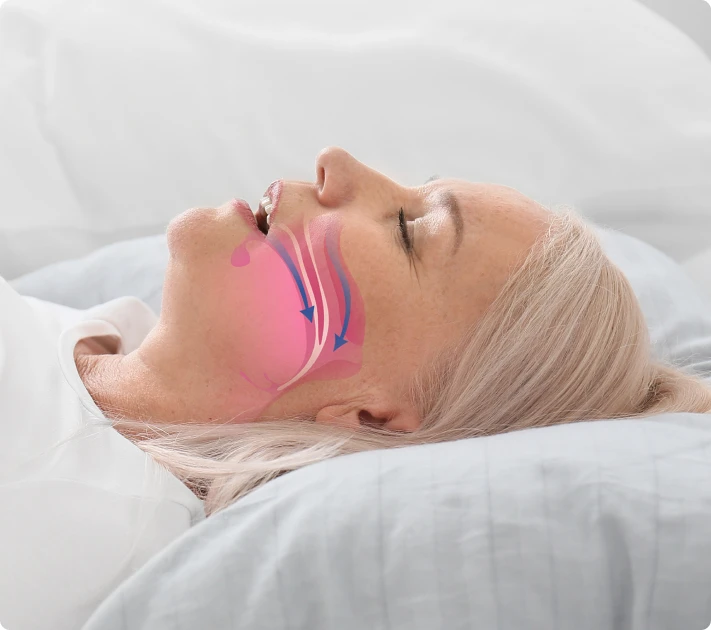
What is Sleep Apnea and Snoring?
A good night’s sleep is important for health, focus and energy. Yet for many people, sleep is disrupted by snoring or sleep apnea. While occasional snoring may be harmless, persistent or loud snoring can point to a more serious underlying condition.
At our clinic, we provide specialised evaluation and treatment for both snoring and sleep apnea. Whether the problem lies in the nose, throat, or airway, our ENT specialists are trained to identify the underlying cause and recommend effective solutions.
Understanding Snoring and Sleep Apnea
Snoring occurs when airflow is partially obstructed during sleep, causing tissues in the throat or nose to vibrate. While it can simply be an annoyance for partners or family members, persistent snoring may also be a warning sign of Obstructive Sleep Apnea (OSA).
OSA is a more serious condition where the airway becomes blocked during sleep, either partially or completely. These interruptions can last from a few seconds to over a minute, often happening many times throughout the night. The result is poor-quality sleep and reduced oxygen flow, which can strain the heart and other organs.
Common Symptoms of Sleep Apnea
Not everyone who snores has sleep apnea, but the following signs may indicate a more serious problem:
- Loud, chronic snoring that disrupts sleep
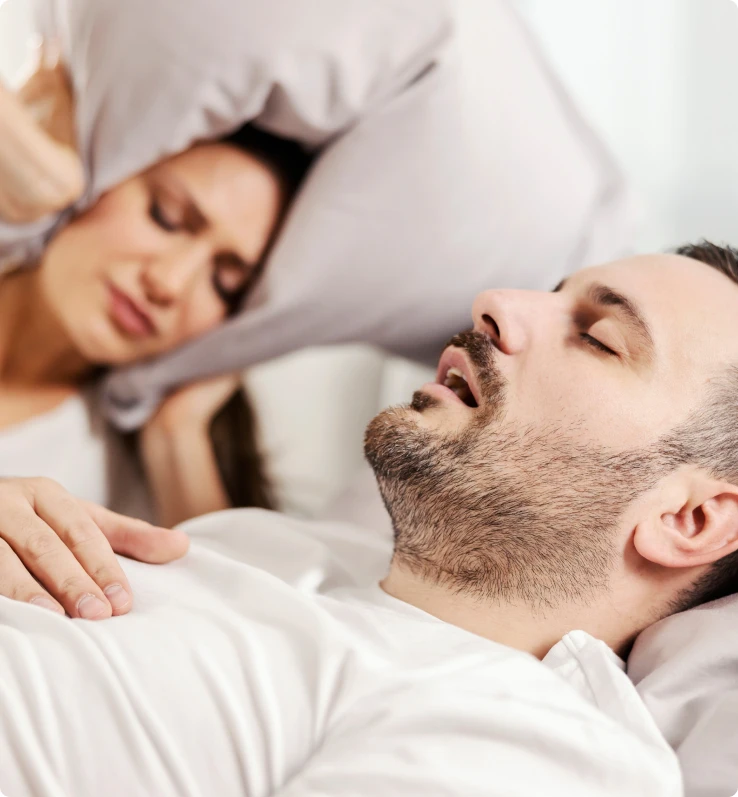
- Pauses in breathing observed by a partner
- Gasping or choking sounds during sleep
- Excessive daytime sleepiness or fatigue
- Morning headaches or sore throat
- Difficulty concentrating, poor memory, or irritability
In children, sleep apnoea may present as snoring, restless sleep, hyperactivity during the day, or poor school performance.
Causes and Risk Factors of Sleep Apnea
Several factors can contribute to snoring and sleep apnea:
- Nasal obstruction from allergies, sinus problems, or a deviated septum
- Throat and airway anatomy, such as enlarged tonsils, adenoids, or excess tissue in the soft palate
- Obesity, which increases pressure around the airway
- Age and muscle tone, since tissues relax more during sleep as we get older
- Lifestyle factors such as smoking, alcohol consumption, or sedative use
Once the cause has been identified, your doctor will be able to recommend the most appropriate treatment for your situation.
How is Sleep Apnea Diagnosed?
We will perform a detailed history and physical examination of the nose, throat and airway. In many cases, nasal endoscopy or imaging may be recommended to evaluate structural issues.
For suspected sleep apnoea, a sleep study (polysomnography) is often required. This measures breathing patterns, oxygen levels, and sleep stages to confirm the diagnosis and severity of the condition. Home-based sleep studies may also be an option for certain patients.
How is Sleep Apnea & Snoring Treated?
- Weight management to reduce airway pressure
- Sleeping on the side instead of the back
- Avoiding alcohol and sedatives before bedtime
- Treating allergies or nasal congestion
Why is it Important to Treat Sleep Apnoea and Snoring?
While snoring alone can affect one’s quality of life and relationships, untreated sleep apnea comes with serious health risks. Long-term consequences may include:
- High blood pressure and cardiovascular disease
- Increased risk of stroke or heart attack
- Type 2 diabetes
- Memory problems and poor concentration
- Mood disorders such as depression or anxiety
Children with untreated sleep apnoea may face developmental delays, learning difficulties, and behavioural issues. Early treatment not only improves sleep but also protects long-term health.
When to See a Specialist for Sleep Apnea & Snoring
You should consider consulting an ENT doctor if:
- Snoring is persistent and loud
- Breathing pauses during sleep are noticed
- You feel excessively tired despite a full night’s rest
- Your child snores regularly or struggles with disrupted sleep
- Daytime concentration, mood, or school/work performance is affected
Prompt evaluation and proper intervention helps prevent complications and restores better quality sleep.

FAQs
OUR DOCTORS
Meet Our
ENT Specialists
Our clinic is led by two experienced ENT specialists, each with their own subspecialties, offering comprehensive expertise across all areas of ENT care. This ensures our patients receive care that is both broad in scope and deep in specialised insight.

Dr Barrie Tan
Senior Consultant ENT Specialist
MBBS (Singapore), MMed (ENT) (Singapore)
MRCS (Edinburgh, UK), FAMS (Otolaryngology)
Dr Barrie Tan has over 25 years of experience in ENT, particularly in the field of hearing loss and cochlear implants, snoring and sleep apnea, as well as endoscopic ear surgery.
Dr Barrie was a President’s Scholar and the former Head of the ENT Department at Singapore General Hospital (SGH) and the Director of the Centre for Hearing and Ear Implants. He continues to hold various leadership positions in several ENT professional bodies today.
At his practice, Dr Barrie places great emphasis on listening carefully to his patients and providing the most personalised and supportive care possible.

Dr Ranjit Magherra
Senior Consultant ENT Head & Neck Surgeon
MBBS (Singapore), FRCS (Edinburgh)
FRCS (Glasgow), FAMS (Otolaryngology)
Dr Ranjit Magherra is an accomplished ENT Head & Neck Specialist with over 25 years of experience. He was also fellowship-trained in Head & Neck and Thyroid Surgery.
Dr Ranjit was formerly the Head of the ENT Head & Neck Surgery Department at Ng Teng Fong General Hospital (NTFGH), as well as an Adjunct Assistant Professor at the National University of Singapore.
He has also received several Service Quality Awards during his time in the public sector and continues to bring the same level of dedication to his patients even today.