

Sinus Treatment and Surgery

MRCS (Edinburgh, UK), FAMS (Otolaryngology)

FRCS (Glasgow), FAMS (Otolaryngology)

What Are Sinus Problems?
Sinus problems are among the most common reasons patients visit an ENT clinic. While a blocked or runny nose may seem like a simple inconvenience, persistent sinus issues can affect one’s sleep, concentration and overall quality of life. For some, sinus infections return again and again; for others, nasal congestion never truly clears.
At our clinic, we offer comprehensive care for sinus conditions. Our goal is to identify the underlying cause and tailor treatment to restore comfortable breathing, relieve symptoms and prevent future flare-ups.
What Are the Sinuses?
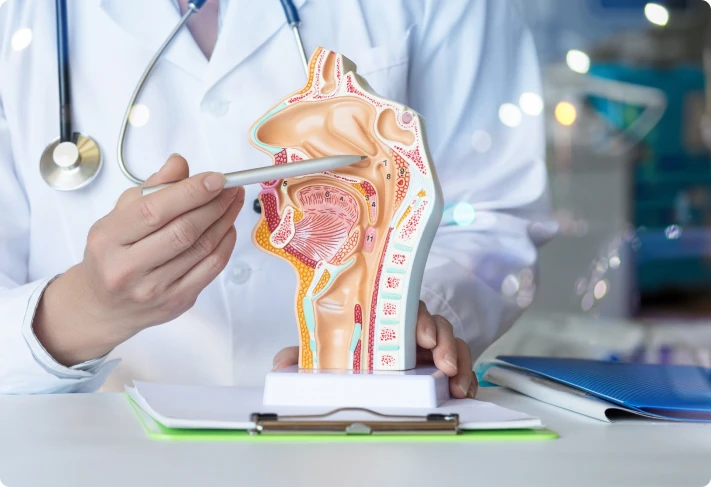
The sinuses are air-filled spaces located behind the forehead, cheeks, nose and eyes. They produce mucus that helps trap and filter dust, bacteria and pollutants. When the sinuses become inflamed or blocked, mucus cannot drain properly, leading to pressure, pain, and infection.
This condition, known as sinusitis, can be acute (short-term, often following a cold) or chronic (lasting more than 12 weeks, sometimes recurring for years). Chronic sinusitis is often linked to allergies, nasal polyps or structural problems in the nose.
Common Symptoms of Sinus Problems
Patients with sinus conditions may experience:
- Persistent nasal congestion or blockage
- Thick nasal discharge (often yellow or green)
- Facial pain, pressure, or headaches
- Reduced or loss of sense of smell
- Post-nasal drip (mucus at the back of the throat)
- Fatigue, poor sleep or daytime drowsiness
These symptoms may be constant or flare up frequently, interfering with one’s daily life.
What Causes Chronic Sinus Issues?
Sinus problems often have multiple contributing factors, including:
- Allergies: Ongoing allergic reactions inflame the nasal passages and sinuses
- Nasal Polyps: Non-cancerous growths that block airflow and drainage
- Deviated Nasal Septum: A crooked or displaced nasal wall that narrows the airway
- Recurrent Infections: Frequent colds or bacterial infections
- Environmental Triggers: Exposure to smoke, pollutants or dry air
Understanding the cause is key to deciding whether medication, procedures or surgery will provide the best relief in the long run.

How Are Sinus Problems Diagnosed?
Sinus problems are diagnosed through a detailed medical history and physical examination of the nose. Diagnostic tools may include:
- Nasal Endoscopy: This is a small, flexible scope to view the nasal passages and sinus openings directly
- CT Scan: This provides detailed images of the sinuses to identify blockages or structural abnormalities
- Allergy Testing: This helps identify environmental or food-related triggers
These findings will allow your doctor to pinpoint the problem and recommend the most effective treatment plan.
Treatment Options for Sinus Problems
- Antibiotics for bacterial infections
- Nasal steroid sprays to reduce inflammation
- Saline rinses to keep the nasal passages clear
- Antihistamines or allergy medication
- Short courses of oral steroids in severe cases
What Are the Benefits of Sinus Surgery?
Patients who undergo sinus surgery often report several improvements, such as:
- Reduced sinus infections and congestion
- Better breathing through the nose
- Relief from facial pain and pressure
- Improved sense of smell
- Better quality of sleep and energy levels
- Better quality of sleep and energy levels
While not every patient will need surgery, for those with persistent symptoms despite conservative treatments, sinus surgery can often be life-changing.
Recovery After Sinus Surgery
Recovery times vary depending on the extent of surgery, but most patients can return to light activities within a few days. Nasal congestion, mild bleeding, or pressure are common in the first week. Regular follow-up visits are important to ensure healing and to clean the nasal passages if needed. Most patients see significant improvement within a few weeks with long-lasting outcomes.
When to See a Sinus Specialist
You should consider consulting a sinus specialist if you have:
- Sinus symptoms lasting more than 12 weeks
- Frequent sinus infections (three or more per year)
- Persistent nasal obstruction that does not improve with medication
- Severe facial pain or headaches linked to sinus pressure
- Loss of sense of smell
- Snoring or sleep problems related to nasal blockage
Early treatment for sinus conditions can prevent complications and improve overall quality of life.
FAQs
OUR DOCTORS
Meet Our
ENT Specialists
Our clinic is led by two experienced ENT specialists, each with their own subspecialties, offering comprehensive expertise across all areas of ENT care. This ensures our patients receive care that is both broad in scope and deep in specialised insight.

Dr Barrie Tan
Senior Consultant ENT Specialist
MBBS (Singapore), MMed (ENT) (Singapore)
MRCS (Edinburgh, UK), FAMS (Otolaryngology)
Dr Barrie Tan has over 25 years of experience in ENT, particularly in the field of hearing loss and cochlear implants, snoring and sleep apnea, as well as endoscopic ear surgery.
Dr Barrie was a President’s Scholar and the former Head of the ENT Department at Singapore General Hospital (SGH) and the Director of the Centre for Hearing and Ear Implants. He continues to hold various leadership positions in several ENT professional bodies today.
At his practice, Dr Barrie places great emphasis on listening carefully to his patients and providing the most personalised and supportive care possible.

Dr Ranjit Magherra
Senior Consultant ENT Head & Neck Surgeon
MBBS (Singapore), FRCS (Edinburgh)
FRCS (Glasgow), FAMS (Otolaryngology)
Dr Ranjit Magherra is an accomplished ENT Head & Neck Specialist with over 25 years of experience. He was also fellowship-trained in Head & Neck and Thyroid Surgery.
Dr Ranjit was formerly the Head of the ENT Head & Neck Surgery Department at Ng Teng Fong General Hospital (NTFGH), as well as an Adjunct Assistant Professor at the National University of Singapore.
He has also received several Service Quality Awards during his time in the public sector and continues to bring the same level of dedication to his patients even today.